Ideas from the Inaugural Aotearoa Biophilic Event
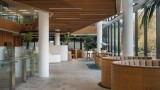
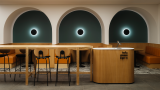
The first-ever Aotearoa Biophilic Event brought together designers, artists, academics, and industry leaders to explore how biophilic design can deepen our connection with nature and each other. Hosted by Europlan, the physical space itself was transformed by art, living installations, and interactive exhibits.
A welcome Karakia by Te Aroha Grace set the tone, offering a powerful reminder of the meaning of Mana and introducing a witty, thought-provoking perspective on 'AI' as ‘Ancestral Intelligence’. This paved the way for a day of reflection around an overarching theme: the critical need for reciprocity between people and place. Emceed with warmth and humour by Rui Peng, co-founder and CEO of Critical, the event challenged attendees to reimagine the built environment as a living, regenerative ecosystem.

Design as a Dialogue with Place
Miranda Brown, a biophilic and nature artist, laid the foundation for discussions by emphasising that "we need nature; it doesn’t need us"—a sobering reminder of why reciprocity is so urgently required to combat ‘placelessness’. Championing sensory-rich environments through fractal patterns, natural light, and soundscapes, she asked: "Can we create buildings where people feel a sense of awe and humility?" In this light, biophilia shifts from an aesthetic overlay to a relational practice that enhances creativity, community, and care.
Designer David Trubridge challenged attendees to "think like a tree," arguing that true biophilic design is not about adding nature at the end, but designing with the logic of nature from the beginning. Critiquing modernist architecture for imposing uniform concrete forms over local craft, he questioned whether imposing design on nature makes 'biophilic design' an oxymoron. In response, Pattersons Director Andrew Patterson and event sponsor Nauhria defended concrete’s role when designed for longevity, pointing out that long-lasting structures offer strong lifecycle sustainability.

Healing Through Design
Dr. Debbie Wilson introduced the concept of regenerative healthcare design, referencing Te Whatu Ora guidance to demonstrate how natural light, views, and green spaces support cognitive and emotional restoration in places of recovery.
Te Ari Prendergast, Associate Principal at Warren and Mahoney, reframed material selection as an ethical act. Drawing on Māori concepts of mauri (balance), rahui (rest), and Te Awa Whiria (the weaving together of diverse strands of thought), he urged designers to make material transformations meaningful. "If you cut down a tree, the tree isn’t dying but being transformed," he shared. "Make the transformation meaningful — for the people." Prendergast challenged the room to consider how future projects can actively heal historical trauma in the land.

Urban Ecosystems and Sensory Environments
Zoe Avery framed biophilia as a vital tool for transforming cities into living ecosystems, noting the strong economic case: every $1 invested in nature-based urban design can generate $5.60 in value across health, social, and infrastructure benefits. Highlighting Singapore's integrated green spaces and park-based wastewater infrastructure, she emphasized that cities must be designed as adaptive, regenerative environments.
Tricia Love urged a shift from mere sustainability to active regeneration, stating, "We are nature — so we must design as nature." Drawing on the Living Building Challenge’s 'beauty' petal, she argued that beauty is essential to care: "Without beauty, we don’t care." Practitioners must focus on the sensory realm between engineering and visual expression, designing with and for communities rather than box-ticking certifications.

Panel & Practical Takeaways
A lively panel discussion featuring Brad Crowley, Laura Hamilton-O’Hara, David Trubridge, and Arnya Karaitiana highlighted the real-world application of these concepts:
- Early Integration: Embedding biophilic principles at the project lifecycle's start is both more cost-effective and impactful.
- Creating Life: Biophilia is ultimately about creating "conditions that create conditions for life" (Laura Hamilton-O’Hara).
- Multiple Voices: Including diverse perspectives enriches design outcome and fosters genuine ownership.

Overcoming the Commercial Challenge
Reflecting on the event, the STACK design team noted that client buy-in remains the industry's biggest hurdle: "Designers and artists may champion biophilia, but persuading clients to allocate budget for natural systems or regenerative processes can be difficult."
Moving forward, the industry must equip decision-makers with data showing long-term value—from health savings to property resilience—demonstrating the true return on investment.
Summary Takeaway
Biophilia is less about adding plants than cultivating meaningful relationships between people, place, material, and time. Every design decision carries weight, and our ongoing role as designers is ensuring clients understand the lasting value of investing in those choices.